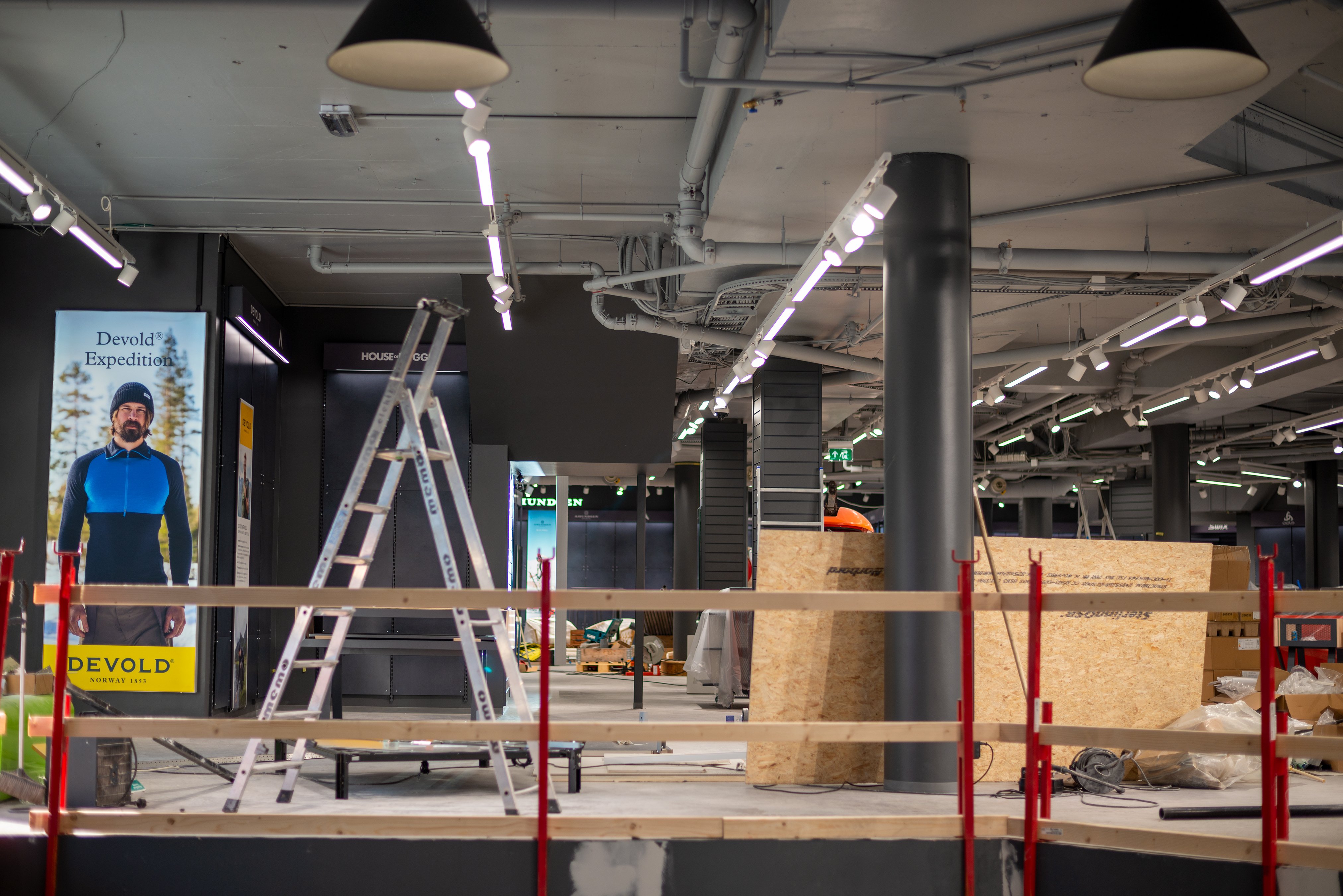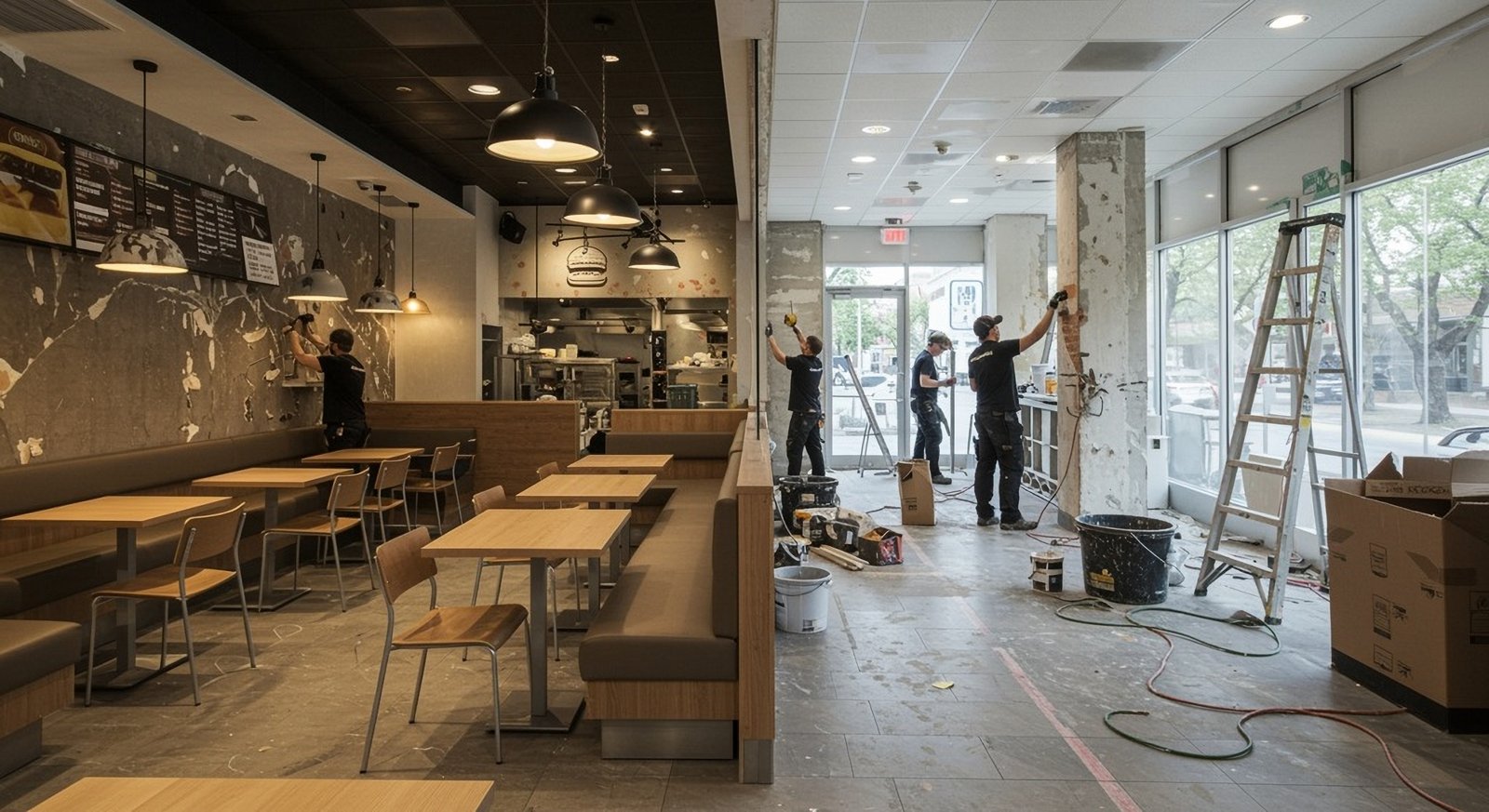
Opening a single restaurant is an operational challenge.
Opening multiple locations simultaneously is a restaurant rollout supply chain challenge.
As restaurant brands scale, they face increasing pressure to open faster, more consistently, and with fewer surprises. Yet many rollouts struggle with delays, rising costs, and operational chaos long before the first guests arrive. At the heart of these issues lies a recurring dilemma: local sourcing versus central control.
Choosing one over the other rarely delivers the desired result. The real challenge is learning how to balance both within a connected rollout supply chain.
Why the Restaurant Rollout Supply Chain Breaks at Scale
During early growth, restaurant rollouts are often manageable. Teams rely on known suppliers, informal coordination, and manual planning. But as expansion accelerates and multiple locations are launched in parallel, complexity grows exponentially.
Typical pain points include:
-
Unclear dependencies between construction, equipment delivery, and installation
-
Inconsistent lead times across suppliers
-
Limited visibility into site readiness
-
Late changes cascading across multiple locations
What starts as a sourcing decision quickly becomes a coordination problem. Without a structured restaurant supply chain management approach, even experienced teams are forced into reactive firefighting.
The Appeal of Local Sourcing in Restaurant Rollouts
Local sourcing plays an important role in many restaurant rollouts.
Regional suppliers can offer:
-
Faster response times
-
Knowledge of local regulations and permits
-
Flexibility for last-minute changes
-
Reduced transportation complexity
For items such as interior elements, signage, non-critical materials, or installation services, local sourcing often reduces friction on-site. In theory, it should make restaurant opening logistics simpler.
However, when local sourcing is applied without central coordination, fragmentation emerges. Each supplier operates with its own assumptions, timelines, and priorities. Across multiple locations, this leads to misalignment and unpredictability.
The Limits of Central Control in Multi-Location Restaurant Expansion
Central control offers structure and consistency, especially for brands focused on standardization.
Benefits include:
-
Uniform layouts and equipment
-
Economies of scale
-
Clear specifications
-
Simplified supplier management
For critical equipment and brand-defining elements, central sourcing is often non-negotiable. But in large-scale restaurant rollouts, centralized control can become rigid.
Long international lead times, limited flexibility, and delayed feedback from local sites make it difficult to respond when conditions change. Central plans may look perfect on paper, while execution fails on the ground.
Local Sourcing vs Central Control Is the Wrong Question
Many restaurant brands frame this challenge as a choice: local or central.
In practice, successful rollouts avoid this binary thinking.
Instead, they differentiate between:
-
What must be standardized
Core kitchen equipment, brand elements, and long lead-time items -
What can be localized
Installation partners, region-specific materials, and non-critical components
The difficulty is not defining this split. The difficulty is maintaining alignment between both worlds throughout the rollout lifecycle.
Without shared visibility, even well-defined strategies break down under pressure.
Visibility: The Missing Layer in Restaurant Rollout Supply Chains
Most rollout delays are not caused by suppliers failing. They are caused by information arriving too late.
When teams lack real-time insight into:
-
Supplier readiness
-
Delivery status
-
Construction progress
-
Change impact on downstream activities
They compensate by adding buffers, escalating manually, or postponing decisions. This increases cost while reducing predictability.
Visibility turns local sourcing and central control into a connected system rather than competing approaches. It allows central teams to anticipate issues while enabling local partners to act within shared constraints.
From Supplier Management to Supply Chain Orchestration
High-performing restaurant brands move beyond managing suppliers individually. They focus on orchestrating the rollout supply chain as a whole.
This shift includes:
-
Aligning all stakeholders around shared milestones
-
Making dependencies explicit across construction, logistics, and installation
-
Identifying risks before they impact opening dates
-
Replacing reactive escalation with proactive coordination
In this model, control does not disappear. It evolves into governance supported by collaboration.
Scaling Restaurant Brands Requires Rollout Maturity
The ability to balance local sourcing and central control depends on rollout maturity.
-
Early-stage brands benefit from simplicity and tighter control
-
Scaling brands need flexibility without sacrificing consistency
-
Mature brands prioritize predictability and orchestration
As rollout volume increases, the strategic question changes. It is no longer where do we source? but how do we ensure alignment across all parties involved?
Brands that answer this question effectively gain a structural advantage over competitors expanding at the same pace.
What This Means for Restaurant Rollout Strategy
Successful restaurant rollouts are not driven by speed alone. They are driven by predictability.
Balancing local sourcing and central control requires:
-
Clear sourcing principles
-
Shared visibility across the rollout supply chain
-
Early risk identification
-
Coordinated decision-making
When these elements are in place, restaurant brands can scale with confidence, open on time, and protect both margins and reputation.
Final Thought
Local sourcing and central control are not opposing strategies. They are complementary components of a resilient restaurant rollout supply chain.
Brands that stop choosing between them — and start connecting them — are the ones that scale successfully.