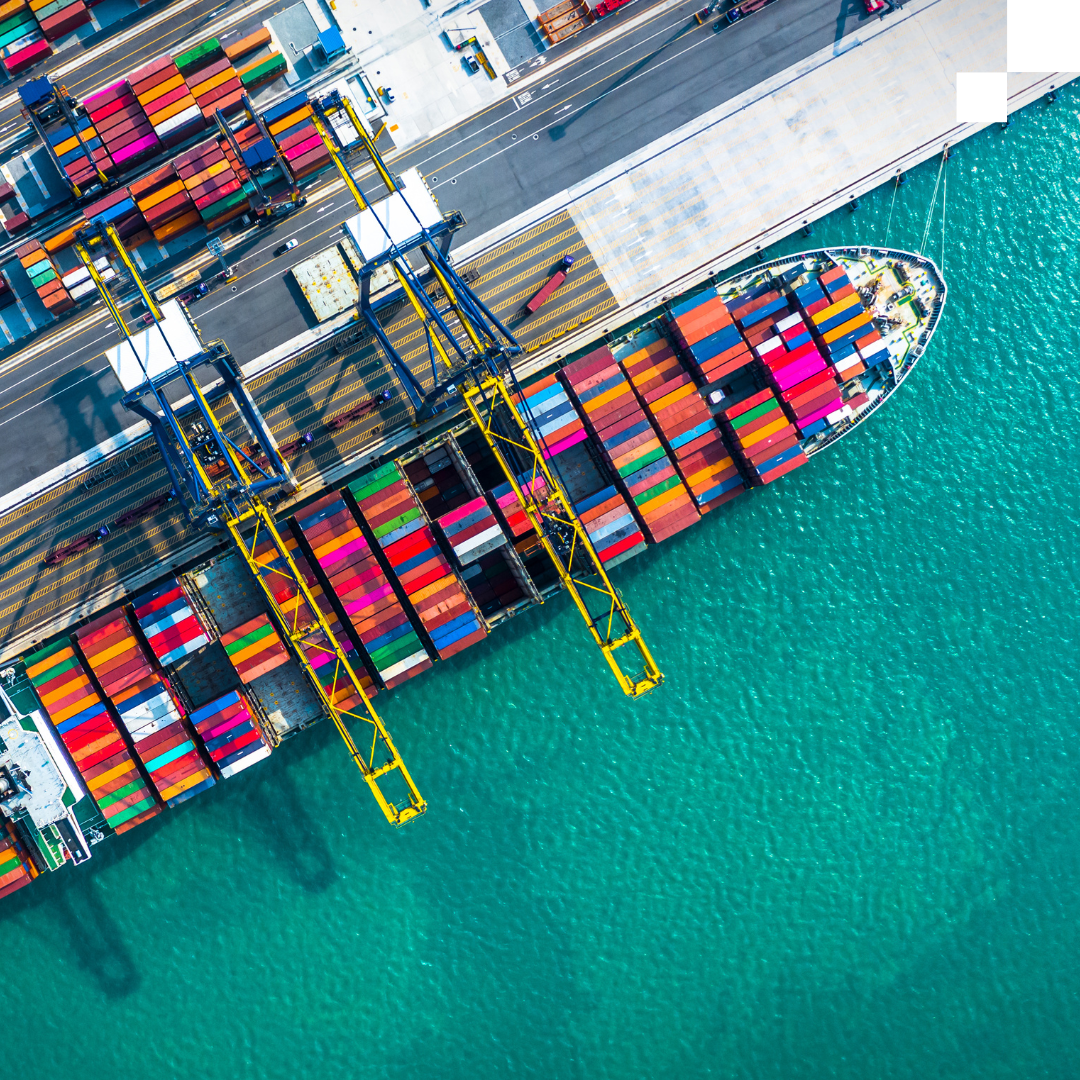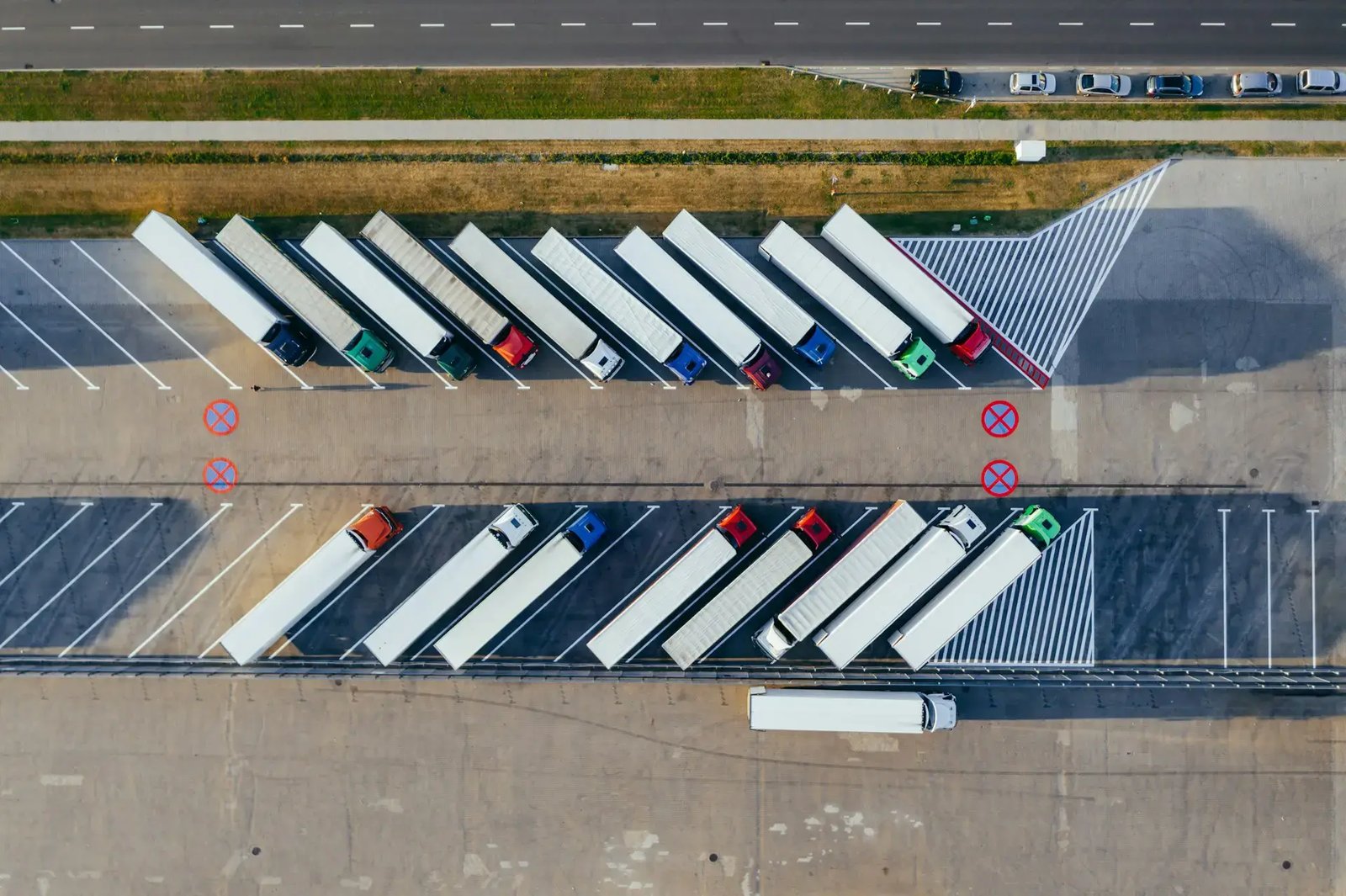
Global supply chains have become increasingly complex. Materials and products move across multiple countries, suppliers, carriers, and logistics partners before reaching their final destination. For industries such as manufacturing, retail, and large construction projects, coordinating these flows efficiently is essential to keeping operations running smoothly.
In this environment, many organizations rely on specialized logistics partners to manage transportation, warehousing, and distribution activities. This approach is commonly known as third party logistics (3PL).
But what exactly does this mean? Many professionals ask questions such as what is third party logistics, what is a third party logistics provider, or what are third party logistics providers responsible for in modern supply chains.
This article explains the third party logistics meaning, provides a clear third party logistics definition, and explores how third party logistics 3PL services support modern global supply chains.
Third Party Logistics Definition
Let’s start with a simple explanation.
The third party logistics definition refers to the outsourcing of logistics operations to an external specialist organization that manages logistics activities on behalf of another company.
A straightforward third party logistics provider definition is:
Third party logistics (3PL) refers to outsourcing logistics services such as transportation, warehousing, inventory management, and distribution to a specialized logistics provider.
A third party logistics provider (3PL) is therefore an organization that helps businesses manage the movement and storage of goods across the supply chain.
When companies define third party logistics, they typically refer to a service model where logistics execution is handled by specialized partners rather than internal teams.
This 3PL third party logistics definition highlights the key idea: companies focus on their core business while logistics experts manage the operational complexity of moving goods.
What Is a Third Party Logistics Provider?
To better understand the concept, it is helpful to answer the question: what is a third party logistics provider?
A third party logistics provider 3PL is a company that manages logistics operations on behalf of another organization. Instead of building and operating their own logistics infrastructure, companies partner with third party logistics service providers who specialize in managing transportation networks, warehouses, and distribution systems.
A typical third party logistics service provider may coordinate multiple aspects of the supply chain, including:
- Freight transportation
- Warehousing and storage
- Inventory management
- Order fulfillment
- International shipping coordination
- Customs management
- Distribution planning
These third party logistics services allow companies to scale operations efficiently while leveraging the expertise and infrastructure of experienced logistics providers.
In many industries, third party logistics shipping is a core component of supply chain operations, ensuring that materials and products move efficiently between suppliers, warehouses, distribution centers, and final destinations.
What Are Third Party Logistics Providers Responsible For?
Understanding what are third party logistics providers responsible for helps clarify the role they play within the supply chain.
Modern third party logistics service providers typically manage several critical logistics functions.
Transportation Management
Transportation is one of the most important components of third party logistics shipping. 3PL providers coordinate freight movement across different transportation modes such as:
- Ocean freight
- Air freight
- Rail transport
- Road transportation
By leveraging carrier networks and logistics expertise, third party logistics providers help companies optimize routes, consolidate shipments, and reduce transportation costs.
Warehousing and Storage
Another common third party logistics service is warehouse management. Many third party logistics service providers operate storage facilities where goods are received, stored, and prepared for distribution.
These warehouses often include:
- Inventory tracking systems
- Cross docking capabilities
- Automated picking and packing processes
- Temperature controlled storage where required
Efficient warehousing ensures that goods are stored safely and can be delivered quickly when needed.
Inventory Visibility
Modern third party logistics 3PL services increasingly include digital tools that provide real time visibility into inventory and shipments.
This visibility allows companies to monitor:
- Stock levels
- Shipment status
- Delivery timelines
- Logistics performance
In complex supply chains, visibility is essential for identifying delays early and ensuring that logistics operations remain aligned with business needs.
Distribution and Fulfillment
Many third party logistics service providers also manage order fulfillment and distribution. This includes picking, packing, and shipping products to customers, retailers, or project sites.
In industries with project based logistics, such as construction, this coordination ensures that materials arrive exactly when needed to support the project schedule.
The Third Party Logistics Meaning in Modern Supply Chains
The traditional third party logistics meaning focused primarily on outsourcing transportation and warehousing operations.
Today, however, the role of third party logistics 3PL providers has evolved significantly.
Modern supply chains require logistics partners that can support:
- Global supplier coordination
- Multi carrier transportation networks
- Digital shipment tracking
- Supply chain visibility
- Risk management and disruption response
This evolution means that many third party logistics service providers now offer technology platforms that allow businesses to monitor logistics activities in real time.
For companies managing complex supply chains, these digital capabilities are just as important as the physical movement of goods.
The Evolution of Third Party Logistics
To fully understand the third party logistics definition, it helps to look at how logistics outsourcing has developed over time.
Traditional 3PL
In its earliest form, third party logistics 3PL services focused mainly on operational tasks such as transportation and warehousing.
Companies outsourced these activities to third party logistics providers to reduce costs and improve efficiency.
Integrated Logistics Services
As supply chains became more global, businesses began relying on third party logistics service providers to coordinate more complex logistics networks.
This included managing multiple carriers, optimizing distribution networks, and handling international shipping.
Digitally Connected Supply Chains
Today, the most advanced third party logistics service providers combine logistics expertise with digital supply chain platforms.
These systems enable companies to track shipments, coordinate deliveries, and collaborate with suppliers and logistics partners in real time.
This shift is particularly important for industries with highly complex supply chains, where logistics visibility directly impacts operational performance.
3PL vs 4PL vs 5PL: Understanding the Differences
While many organizations rely on third party logistics providers, it is also useful to understand how 3PL compares to other logistics models such as fourth party logistics (4PL) and fifth party logistics (5PL).
These terms describe different levels of supply chain outsourcing and coordination.
Third Party Logistics (3PL)
A third party logistics provider focuses primarily on executing logistics operations.
Typical third party logistics services include transportation management, warehousing, distribution, and inventory handling.
In this model, companies maintain control over their supply chain strategy while outsourcing specific logistics activities to specialized partners.
Fourth Party Logistics (4PL)
Instead of simply executing logistics operations, a 4PL coordinates multiple logistics providers and acts as the central orchestrator of the supply chain network.
A 4PL typically focuses on:
- Supply chain strategy
- Network design
- Coordination of multiple 3PL providers
- End to end supply chain visibility
- Performance management
In many cases, a 4PL serves as the single point of contact for managing complex logistics ecosystems.
Fifth Party Logistics (5PL)
A fifth party logistics provider (5PL) represents an even more advanced logistics model that relies heavily on digital technologies.
Key characteristics of 5PL logistics include:
- Digital supply chain orchestration
- AI driven logistics optimization
- Integrated logistics platforms
- Network wide analytics and forecasting
This model is often associated with highly digitalized supply chains, such as those found in global e commerce ecosystems.
When Should Companies Use Third Party Logistics?
Organizations choose third party logistics service providers for several strategic reasons.
Managing Supply Chain Complexity
Global sourcing introduces logistical challenges such as multiple suppliers, international shipping routes, and regulatory requirements.
A third party logistics provider 3PL helps companies manage these complexities through established logistics networks and operational expertise.
Improving Efficiency and Scalability
Building and operating logistics infrastructure internally can be expensive and resource intensive.
By partnering with third party logistics providers, companies gain access to established transportation networks, warehouses, and logistics systems without making large capital investments.
Access to Logistics Expertise
Logistics providers specialize in transportation management, regulatory compliance, and supply chain optimization.
Working with experienced third party logistics service providers allows companies to leverage this expertise and improve overall supply chain performance.
The Future of Third Party Logistics
The role of third party logistics providers will continue to evolve as supply chains become more interconnected and technology driven.
Future third party logistics 3PL services will increasingly focus on:
- Real time supply chain visibility
- Data driven logistics planning
- Predictive risk management
- Sustainability tracking
- digital supply chain collaboration
Companies that combine strong logistics partnerships with digital supply chain platforms will be better equipped to manage disruptions and maintain operational resilience.
Final Thoughts
Understanding what is third party logistics and the third party logistics meaning is essential for organizations operating in global supply chains.
The third party logistics definition goes far beyond outsourcing transportation or warehousing. Modern third party logistics service providers play a strategic role in managing logistics complexity, improving supply chain visibility, and ensuring reliable delivery performance.
Whether supporting manufacturing operations, retail distribution, or large scale construction projects, third party logistics providers help companies navigate the challenges of modern logistics networks.
As supply chains continue to evolve, partnerships with capable third party logistics service providers will remain a key component of efficient and resilient global supply chains.