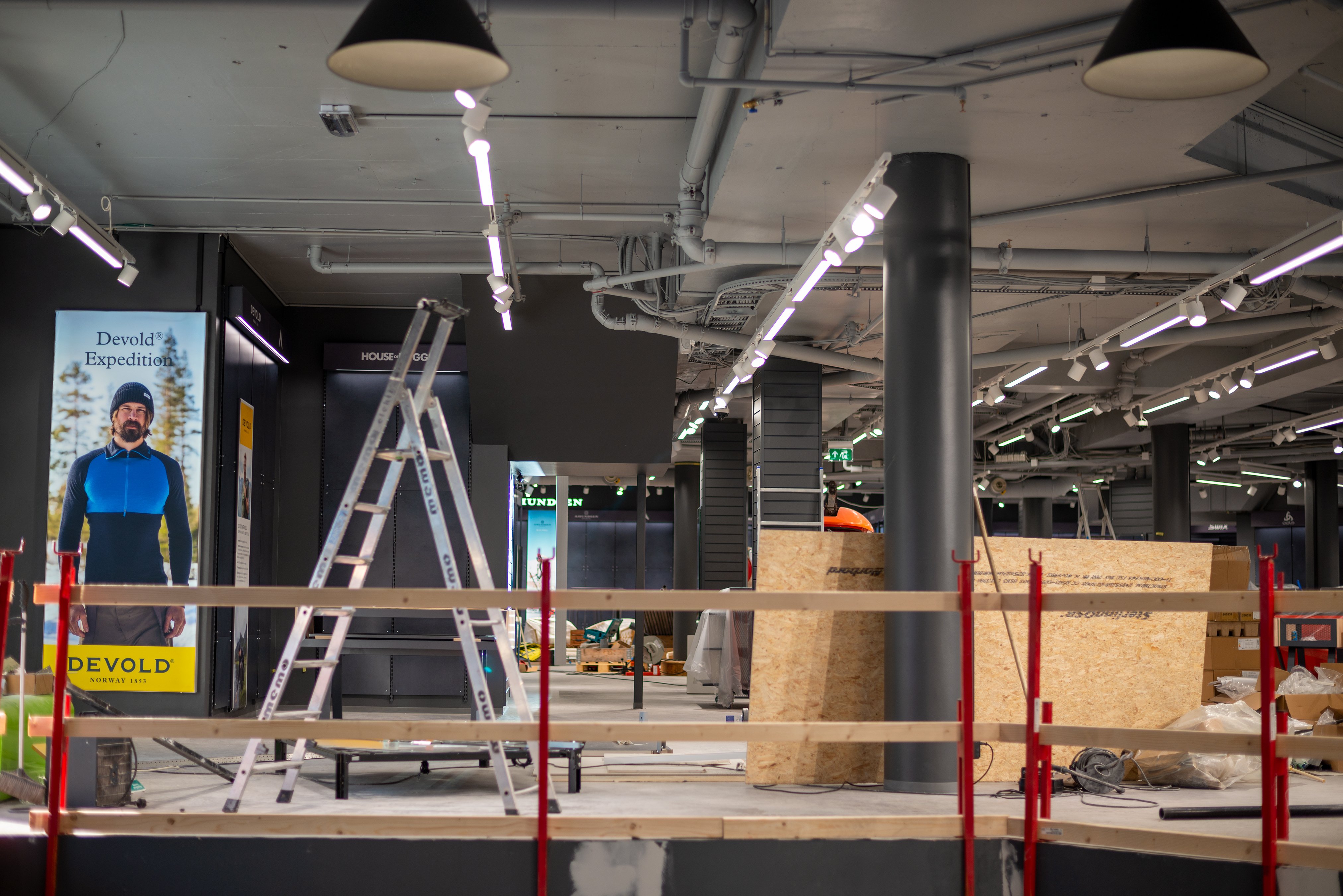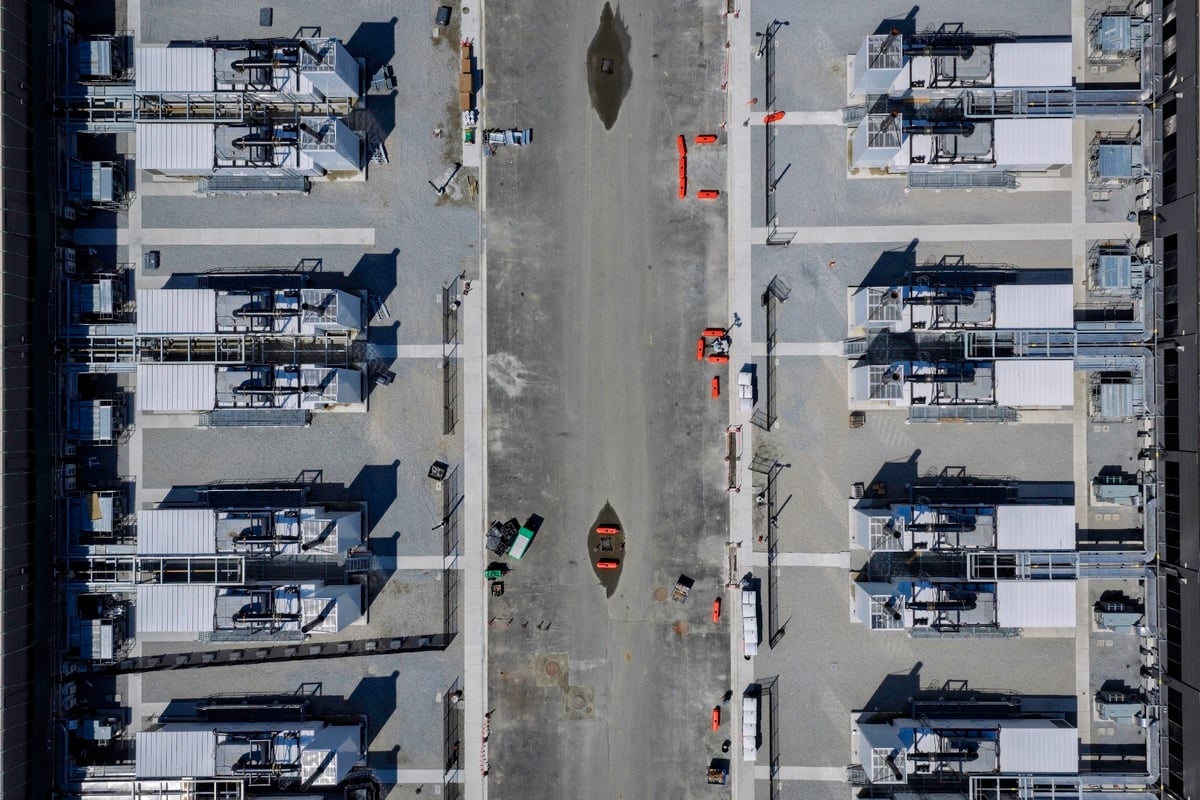
Construction projects are becoming more complex, more fragmented and more dependent on global supply chains.
Whether organizations are building data centers, warehouses, factories, retail stores, restaurants, hotels or large-scale fit-outs, project success increasingly depends on the ability to coordinate materials, stakeholders, information and decisions across the full project lifecycle.
This is not easy.
Modern construction supply chains involve architects, engineers, suppliers, manufacturers, carriers, customs brokers, warehousing partners, contractors, installers, project managers, procurement teams and client-side stakeholders. Each party plays an important role. Each party has its own planning, systems, responsibilities and priorities.
But construction outcomes are not determined by individual activities alone.
They are determined by how well those activities are connected.
A procurement decision can influence manufacturing timelines. Manufacturing progress can influence transport planning. Transport execution can influence site readiness. Site readiness can influence installation productivity. Installation delays can influence commissioning, handover and the moment a building, store or facility becomes operational.
That is why supply chain orchestration is becoming one of the most important capabilities in construction supply chain management.
It represents a shift from managing separate activities to coordinating the entire project ecosystem.
What is supply chain orchestration?
Supply chain orchestration is the coordination of stakeholders, materials, information and decisions across the full supply chain to improve alignment, manage dependencies and increase predictability.
In construction, orchestration connects the disciplines that are often managed separately, including procurement, supplier management, logistics, warehousing, material management, project management, site execution and installation.
The objective is not simply to move materials from one location to another. It is to ensure that the right materials, people and information are available at the right moment, in the right sequence, with the right decisions already made.
That distinction matters.
A construction supply chain can have visibility without orchestration. Teams may know where materials are, when shipments are expected to arrive and which suppliers are involved. But if that information is not connected to project milestones, installation planning, site constraints and decision-making workflows, visibility alone will not prevent delays.
Supply chain orchestration turns visibility into coordinated action.
It helps project teams understand not only what is happening, but what it means for the project and what needs to happen next.
Why construction supply chains need orchestration
Many construction supply chains are still managed through fragmented communication.
Updates are exchanged by email. Planning is maintained in spreadsheets. Supplier information sits in separate systems. Logistics partners manage their own tracking data. Site teams often rely on manual updates. Project managers spend valuable time chasing information, aligning stakeholders and solving problems after they have already created impact.
This way of working may be manageable in smaller or less complex projects.
But in large-scale construction environments, fragmentation quickly becomes expensive.
A shipment that arrives too early can create storage issues. A shipment that arrives too late can stop installation teams from progressing. A supplier delay can affect multiple downstream milestones. A missing document can delay customs clearance. A design change can affect procurement, manufacturing, transport and installation. A lack of clarity around ownership can turn a small issue into a project-wide disruption.
The challenge is not only that construction supply chains are complex.
The challenge is that they are highly interconnected.
Every delay, decision or change can influence multiple stakeholders and project phases. This creates a ripple effect that is often only visible once the damage has already been done.
Supply chain orchestration helps organizations manage this interdependence.
It creates a more connected way of working in which procurement, logistics, material management and site execution are aligned around the same project outcomes.
Supply chain orchestration vs. supply chain visibility
Supply chain visibility is an important foundation. Without visibility, teams lack the information needed to manage risk and make informed decisions.
Visibility helps answer questions such as:
Where are the materials?
Which shipments are delayed?
Which supplier milestones are at risk?
What inventory is available?
Which deliveries are planned for the coming weeks?
Which issues require attention?
These questions are important, but they are not enough.
Visibility tells teams what is happening. Orchestration helps them decide what to do about it.
For example, knowing that a shipment is delayed does not automatically protect the project schedule. The real question is whether that shipment is linked to a critical activity, whether installation can be resequenced, whether temporary storage is required, whether another supplier can be activated, or whether the delay needs to be escalated to the client.
This is where orchestration creates value.
It connects operational information to project impact. It helps teams prioritize issues based on consequence, not just status. It turns supply chain data into decisions and decisions into action.
In other words, visibility is about seeing the supply chain.
Orchestration is about managing the supply chain as part of the project outcome.
From managing activities to managing outcomes
Traditional construction supply chain management often focuses on individual activities.
Procurement teams focus on sourcing and supplier selection. Logistics teams focus on transportation and delivery. Warehousing teams focus on storage and handling. Contractors focus on installation. Project managers focus on schedules, budgets and milestones.
Each function may perform well on its own terms. But construction projects can still suffer when those functions are not coordinated.
A supplier may deliver according to contract, but not according to the latest site sequence. A logistics partner may deliver on time, but to a site that is not ready to receive the materials. A warehouse may hold the right inventory, but installation teams may not have access to the right materials in the right order. A project team may have a schedule, but that schedule may not reflect real-time supply chain constraints.
This is the limitation of functional optimization.
Construction projects do not need isolated efficiency. They need coordinated execution.
Supply chain orchestration shifts the focus from activity performance to project performance.
Instead of asking whether each function has completed its task, orchestration asks whether all functions are aligned around the next critical project milestone.
That shift changes the way decisions are made.
The lowest-cost transport option may not be the best option if it increases schedule risk. The fastest delivery may not be the best option if the site is not ready. The cheapest supplier may not be the best option if long lead times or unreliable communication create downstream disruption.
Orchestration helps teams evaluate these trade-offs in the context of the entire project.
How orchestration connects procurement, logistics and site execution
One of the clearest benefits of supply chain orchestration is the connection between procurement, logistics and site execution.
These three disciplines are often treated as separate phases. In reality, they constantly influence one another.
Procurement decisions determine which suppliers are selected, where materials are produced, what lead times apply and how much flexibility exists later in the project. Logistics decisions determine how materials move, when they arrive, where they are stored and how they are sequenced. Site execution determines when materials are actually needed, which areas are ready, which crews are available and which installation activities can move forward.
When these disciplines are disconnected, problems emerge late.
A procurement team may not know that a supplier delay affects a critical installation window. A logistics team may not know that a delivery sequence no longer matches the project schedule. A site team may not know that materials are available but held at a warehouse. A project manager may not know which issue deserves urgent escalation.
Orchestration creates a shared operating model.
Supplier milestones are connected to logistics planning. Logistics planning is connected to material availability. Material availability is connected to site readiness. Site readiness is connected to installation performance. Installation performance is connected to project milestones.
This creates a more predictable flow from sourcing to execution.
For construction leaders, this is essential. The project is not successful when materials are purchased. It is not successful when they are shipped. It is not even successful when they arrive on site.
The project is successful when those materials support progress at the right moment in the construction schedule.
Why dependency management matters in construction
Construction projects are built on dependencies.
One activity cannot start until another activity is completed. One contractor may depend on materials delivered by another supplier. One shipment may depend on technical approvals, documentation, customs clearance or production readiness. One installation sequence may depend on site access, labor availability and the completion of previous work.
In complex construction supply chains, dependencies are often difficult to see.
They cross organizational boundaries. They sit across different systems. They change throughout the project. They are influenced by design changes, supplier delays, transportation disruptions, site constraints and budget decisions.
This is why dependency management is central to supply chain orchestration.
Orchestration helps teams understand how individual events influence the wider project. A delayed shipment is not just a delayed shipment. It may be a threat to installation productivity. A supplier issue is not just a procurement issue. It may become a logistics, warehousing or site execution issue. A missing approval is not just an administrative delay. It may stop materials from moving or prevent work from starting.
By making dependencies visible, orchestration helps teams act earlier.
This is especially important in large-scale construction projects, where the impact of disruption often grows over time. The earlier a risk is identified, the more options teams usually have. They may be able to resequence work, adjust delivery timing, consolidate shipments, change storage plans, involve another supplier or make a cost-risk trade-off before the issue affects the critical path.
Without orchestration, these options often disappear.
By the time the problem becomes visible, the project may already be reacting.
What supply chain orchestration looks like in practice
In practice, supply chain orchestration is not a single tool, dashboard or meeting.
It is a way of managing the construction supply chain as a connected ecosystem.
Imagine a large construction project with materials sourced from multiple countries, several suppliers, multiple logistics partners, a constrained construction site and a strict installation sequence.
Without orchestration, each stakeholder manages its own part of the process. Suppliers provide updates when requested. Logistics partners track shipments. Warehousing teams manage inventory. Contractors plan their activities. Project managers try to connect the dots manually.
This creates gaps.
Information may be available, but not connected. Issues may be known, but not escalated. Decisions may be needed, but ownership may be unclear. Risks may exist, but their project impact may not be understood.
With orchestration, the process works differently.
Supplier milestones are monitored in relation to project priorities. Logistics planning is aligned with site readiness. Inventory is managed according to installation sequence. Exceptions are identified early and assigned to the right stakeholders. Project teams understand which delays matter most. Decisions are made based on the impact on cost, time, risk and project milestones.
The focus shifts from asking “Where is the shipment?” to asking “Will the project be ready for the next critical activity?”
That is a more valuable question.
Because construction success depends on the coordination of materials, people and decisions, not on material movement alone.
The role of technology in supply chain orchestration
Technology plays an important role in supply chain orchestration, but technology alone is not enough.
A platform can connect data, provide visibility, automate workflows and highlight exceptions. It can help teams track shipments, monitor supplier milestones, manage documents, report progress and identify risks. These capabilities are essential in complex construction environments.
But orchestration also requires process design, stakeholder alignment and clear decision ownership.
If teams do not agree on how issues are escalated, who owns decisions or which milestones matter most, even the best technology will have limited impact.
The real value emerges when technology supports a connected operating model.
This means that supply chain data is not only collected, but actively used to manage project outcomes. Dashboards are not only used for reporting, but for prioritization. Tracking is not only used to see where materials are, but to understand whether the project is at risk. Workflows are not only used to assign tasks, but to ensure that issues are resolved before they create downstream impact.
In this sense, supply chain orchestration is both digital and operational.
It combines technology, managed services, project expertise and structured collaboration.
The role of AI in construction supply chain orchestration
AI will accelerate the shift from visibility to orchestration.
Many construction supply chain teams still spend significant time collecting updates, interpreting documents, comparing spreadsheets, checking milestones and manually identifying risks. This creates a high coordination burden, especially when projects involve many suppliers, stakeholders and locations.
AI can reduce that burden.
It can help process large volumes of project and supply chain data. It can identify patterns in supplier performance, logistics disruptions, material availability and project progress. It can support risk detection, exception prioritization and scenario planning. It can help teams understand which issues are likely to affect project milestones and which decisions may require escalation.
The greatest value of AI in this context is not simply automation.
It is better coordination.
AI can help construction supply chain teams move from reactive follow-up to proactive orchestration. Instead of waiting for issues to be reported, teams can identify early signals. Instead of treating all exceptions equally, they can prioritize based on project impact. Instead of manually connecting procurement, logistics and installation data, they can use AI-supported insights to understand dependencies faster.
This does not remove the need for human expertise.
Construction supply chains are too complex, contextual and stakeholder-driven to be managed by technology alone. Project managers, supply chain specialists, procurement teams, logistics experts and construction leaders remain essential.
But AI can give these teams better information, earlier signals and more time to focus on decisions that actually influence project outcomes.
Why orchestration is becoming a strategic capability
Supply chain orchestration is becoming more important because construction projects are under pressure from multiple directions.
Projects are becoming larger and more technically complex. Supply chains are more global. Lead times are harder to predict. Labor availability is constrained. Sustainability expectations are increasing. Customers expect faster delivery, more transparency and fewer surprises.
At the same time, many construction supply chains remain fragmented.
This creates a gap between project ambition and operational reality.
Organizations may have ambitious delivery schedules, but limited control over supplier performance. They may have strong procurement processes, but weak connection to logistics execution. They may have visibility into shipments, but limited understanding of site impact. They may have project plans, but insufficient coordination across the supply chain that supports those plans.
Orchestration helps close this gap.
It gives organizations a way to manage complexity more deliberately. It helps them align stakeholders earlier, identify risks sooner, coordinate decisions faster and protect project milestones more effectively.
This is why supply chain orchestration is no longer only an operational improvement.
It is becoming a strategic capability.
For companies delivering complex construction projects, orchestration can influence cost control, schedule reliability, contractor productivity, customer satisfaction and time to revenue. In sectors such as retail, it can influence store opening dates. In data centers, it can influence operational readiness. In factories and warehouses, it can influence production or distribution capacity. In restaurants and hospitality, it can influence launch timelines and brand consistency.
The specific project outcome may differ by sector.
But the underlying principle is the same.
Better orchestration leads to better predictability.
From visibility to insight, foresight and orchestration
Many organizations are already investing in visibility. This is a necessary step, but it should not be the final step.
The maturity path is broader.
Visibility helps teams see what is happening.
Insight helps teams understand why it matters.
Foresight helps teams anticipate what may happen next.
Orchestration helps teams coordinate the right response.
This is the evolution construction supply chains need.
A dashboard that shows delayed materials is useful. A system that explains which milestone is at risk is more valuable. A process that helps the right stakeholders act before the delay affects installation is more valuable still.
That is the promise of orchestration.
It does not replace procurement, logistics, project management or construction management. It connects them.
It creates the conditions for more predictable project delivery by ensuring that information, materials and decisions move in sync.
Conclusion: construction needs coordinated execution
Construction supply chains are no longer supporting activities that happen in the background.
They are central to project performance.
When supply chains are fragmented, projects become harder to control. Materials arrive out of sequence. Stakeholders work from different information. Decisions are delayed. Risks are identified too late. Installation teams wait. Costs increase. Project milestones become harder to protect.
Supply chain orchestration offers a better way forward.
It connects procurement, logistics, material management, site execution and decision-making into one coordinated operating model. It helps teams move beyond visibility and toward predictable action. It gives construction leaders a clearer view of dependencies, risks and priorities across the full project lifecycle.
Most importantly, it shifts the focus from managing activities to managing outcomes.
Because in complex construction projects, success is not determined by how efficiently individual tasks are completed.
It is determined by how effectively the entire ecosystem is coordinated.
Explore construction supply chain management
Want to understand how supply chain orchestration applies to complex project environments?
Explore our guide to data center construction supply chains to see how procurement, logistics, material management and site execution interact in one of the most demanding construction environments.