.png?width=400&height=55&name=Caliber.global-primary-logo-05%20(1).png)

| Case detail | Summary |
| Corridor | N'Djamena in Chad to Zalingei in Central Darfur |
| Cargo | Humanitarian supplies and temperature sensitive medical goods |
| Main risks | Customs holds, incomplete permits, sealed refrigerated units, changing delivery requirements and worsening rainy season access |
| Caliber role | Operational coordination, permit follow up, truck planning, temperature oversight, partner alignment and customer updates |
The challenge
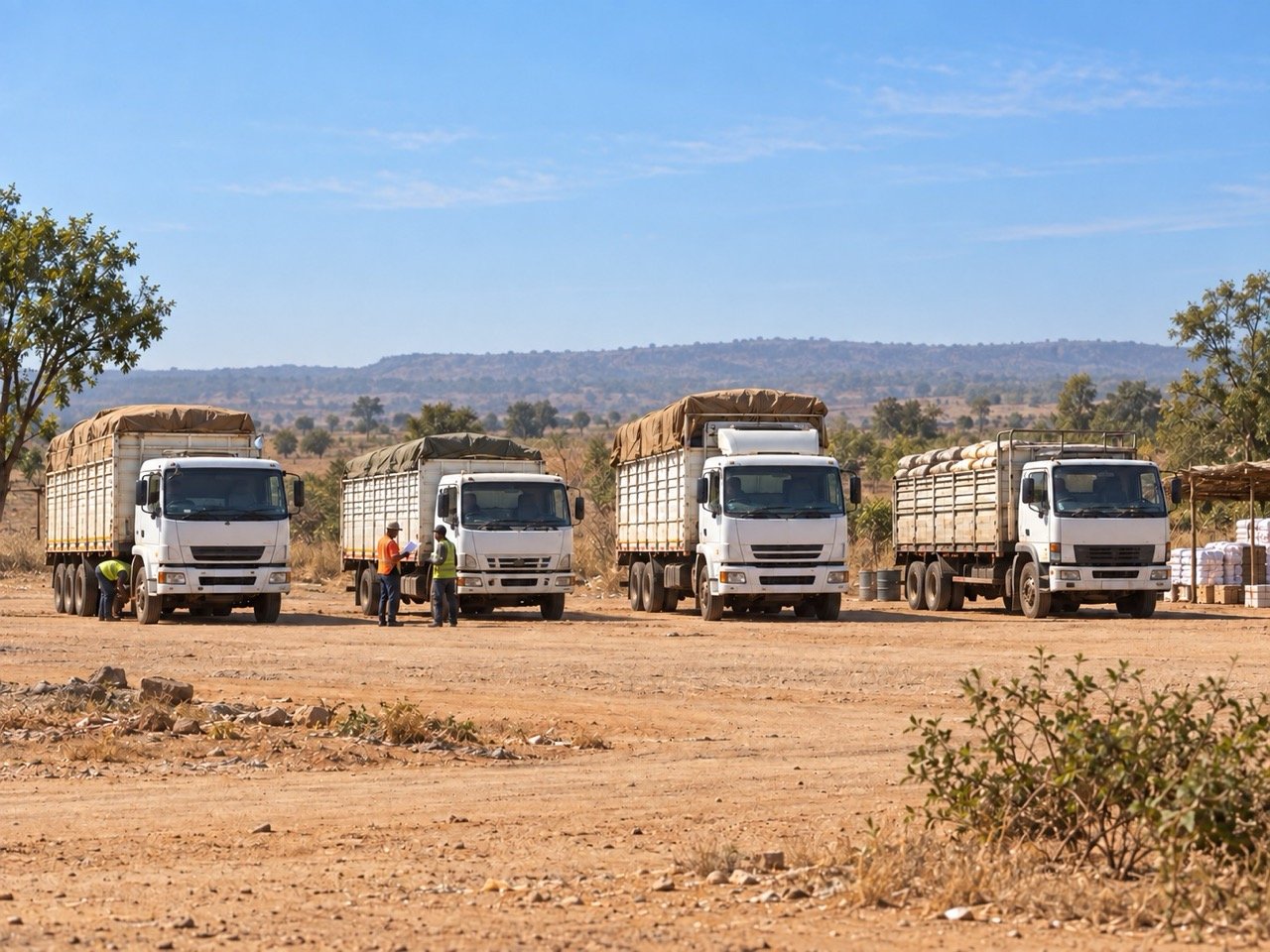
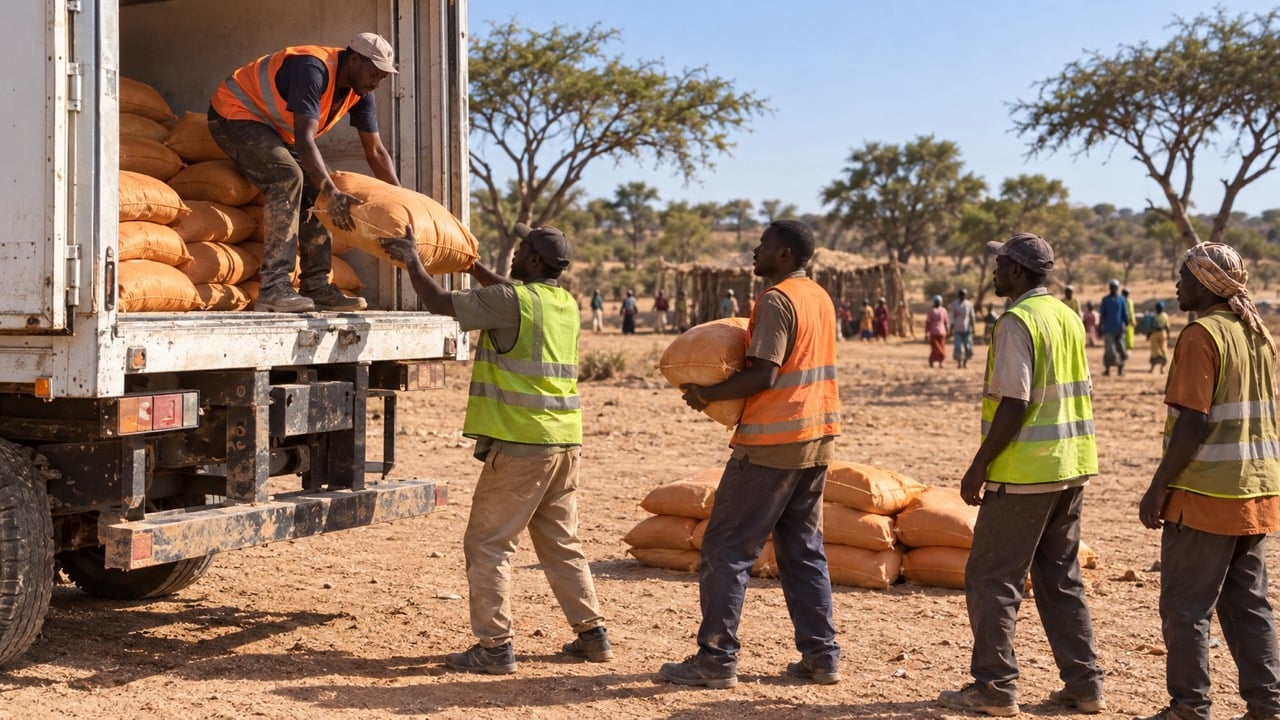
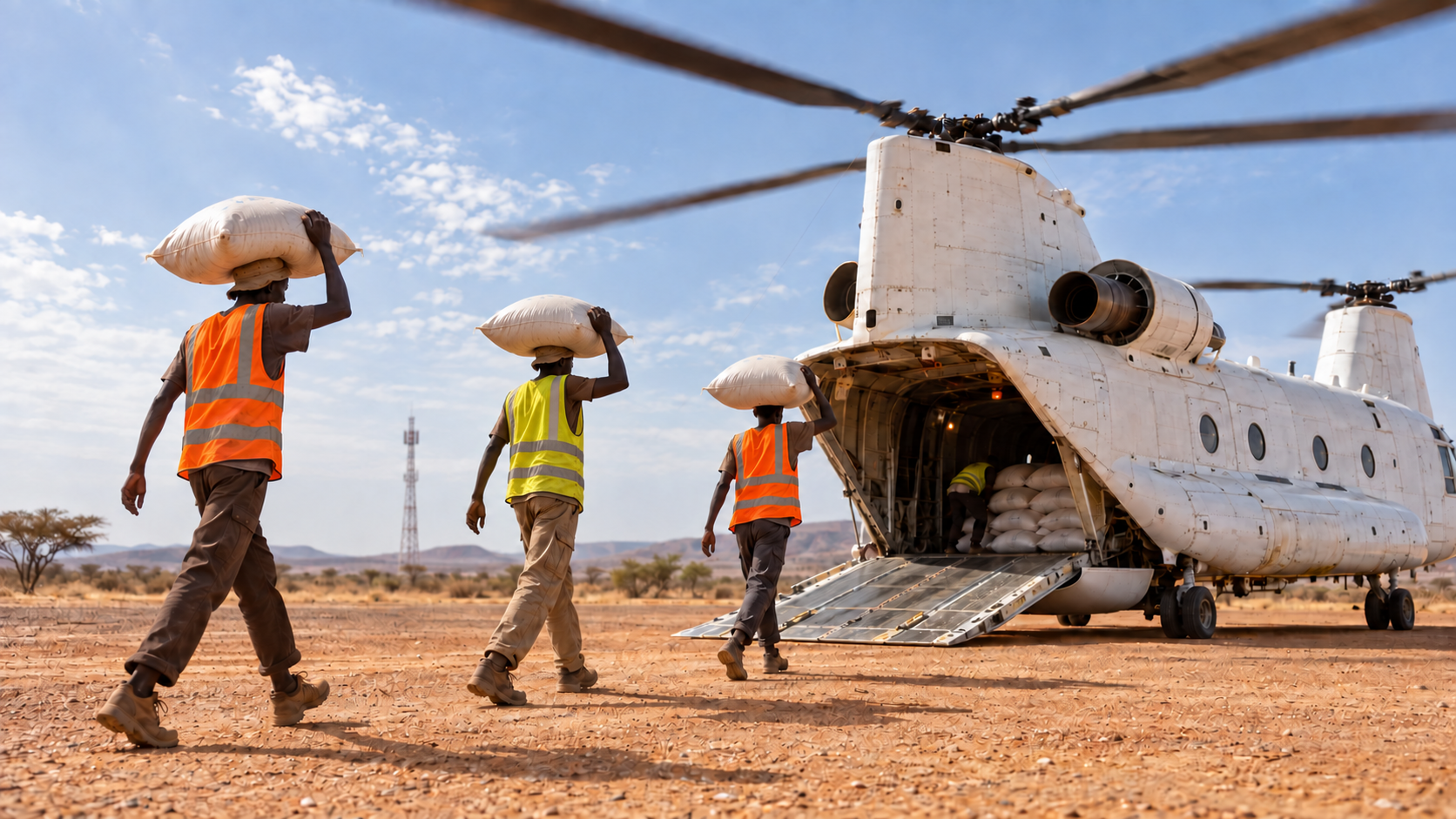
A large volume of humanitarian and medical cargo arrived in N’Djamena after an international charter operation. From that point, Caliber coordinated the onward movement through Chad, across the Adré border and toward Central Darfur.
The route looked straightforward on paper. In practice, documentation, permits, temperature requirements, local authorities and truck planning were tightly connected. Import and transit documents were not all ready when the cargo arrived, so part of the shipment remained under customs control. The Adré crossing permit also required confirmed details for every truck, driver and assistant. Without those details, the permit could not be requested. Without the permit, the convoy could not depart.
Protecting temperature sensitive cargo
Part of the medical cargo was stored across several refrigerated units under customs seal. Pallets could not be moved freely, and teams could not simply access the temperature data loggers. Questions also arose about the exact location of specific pallets and whether temperature control remained intact.
Caliber kept the humanitarian organization, local logistics partners and the parties with physical access to the cargo aligned. This was necessary to protect the cargo while customs restrictions remained in place and to prevent different stakeholders from working from conflicting information.
Adapting the delivery plan
The final destination changed during the operation. The team first discussed Nertiti before aligning the movement for delivery in Zalingei. At the same time, the rainy season advanced. Waiting for every remaining detail could reduce administrative risk but increase the physical risk of flooded or inaccessible routes.
Caliber kept the operation actionable by:
-
Linking permit preparation directly to confirmed truck and driver planning.
-
Following up import, transit and border documentation across the relevant parties.
-
Maintaining control of temperature requirements while the cargo remained sealed.
-
Adjusting the transport plan when the final delivery requirement changed.
-
Keeping the customer and execution partners aligned through frequent operational updates.
The result
Caliber maintained one control point while the operational prerequisites continued to change. The onward movement toward Zalingei could be adjusted without losing sight of permits, cargo condition, partner responsibilities or the narrowing weather window.
Caliber reduced the risk created between individual providers and handovers. The value came from keeping the complete operation moving and controlled until the next decision was resolved.