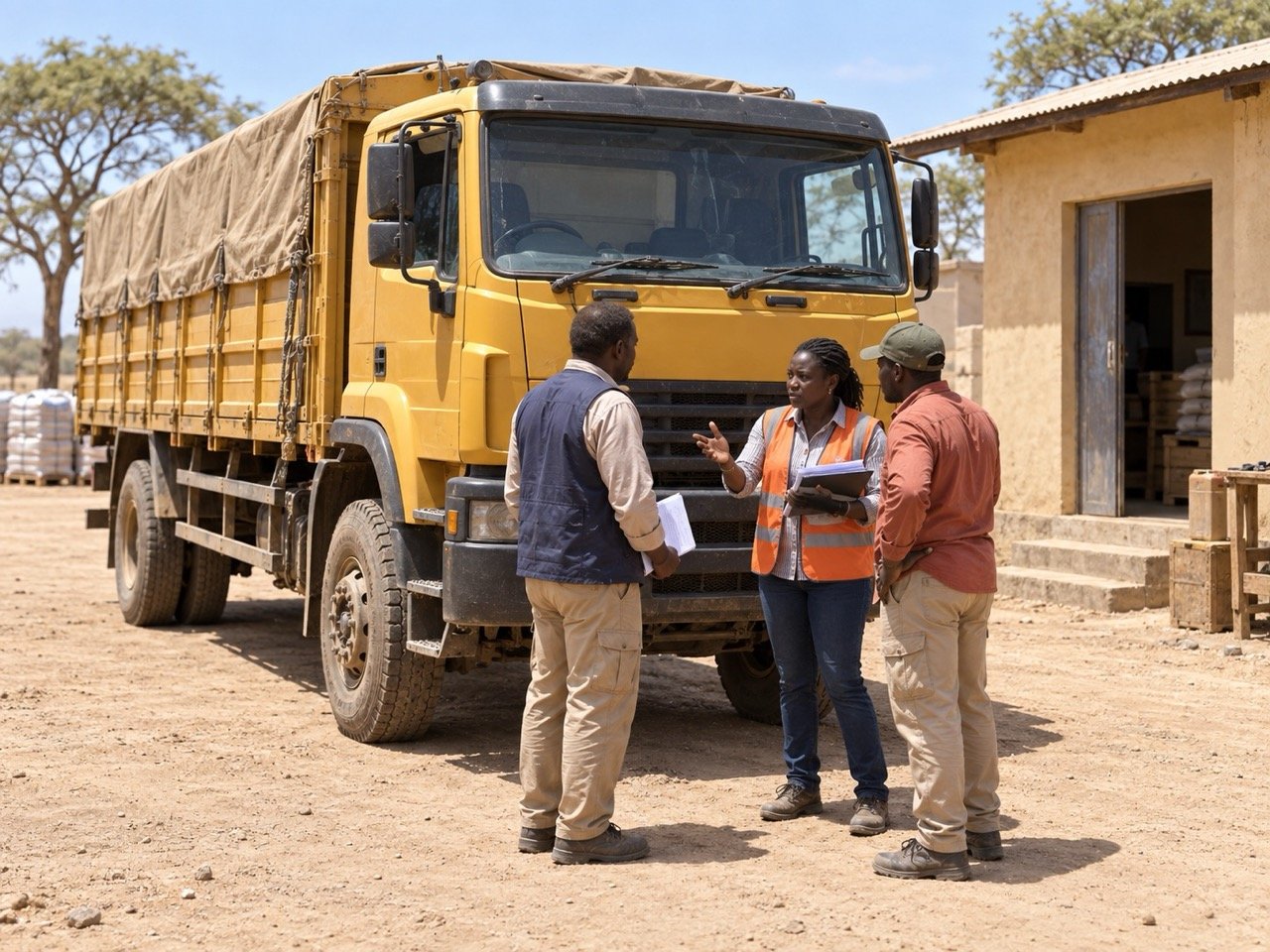
Protect every mission. Control every movement.
Humanitarian logistics operates under different rules. Infrastructure, borders and requirements can change quickly, while essential goods must keep moving.
Caliber assesses what is possible, selects the right partners and coordinates the complete operation through one transparent, data-driven control model.
A global foundation for complex, time-critical supply chains.
Built on Caliber’s wider global network of suppliers, specialists and distribution capabilities.
Built for complexity.
Humanitarian supply chains rarely follow a standard playbook. Caliber is built to coordinate operations where uncertainty, fragmentation and risk are part of the reality.
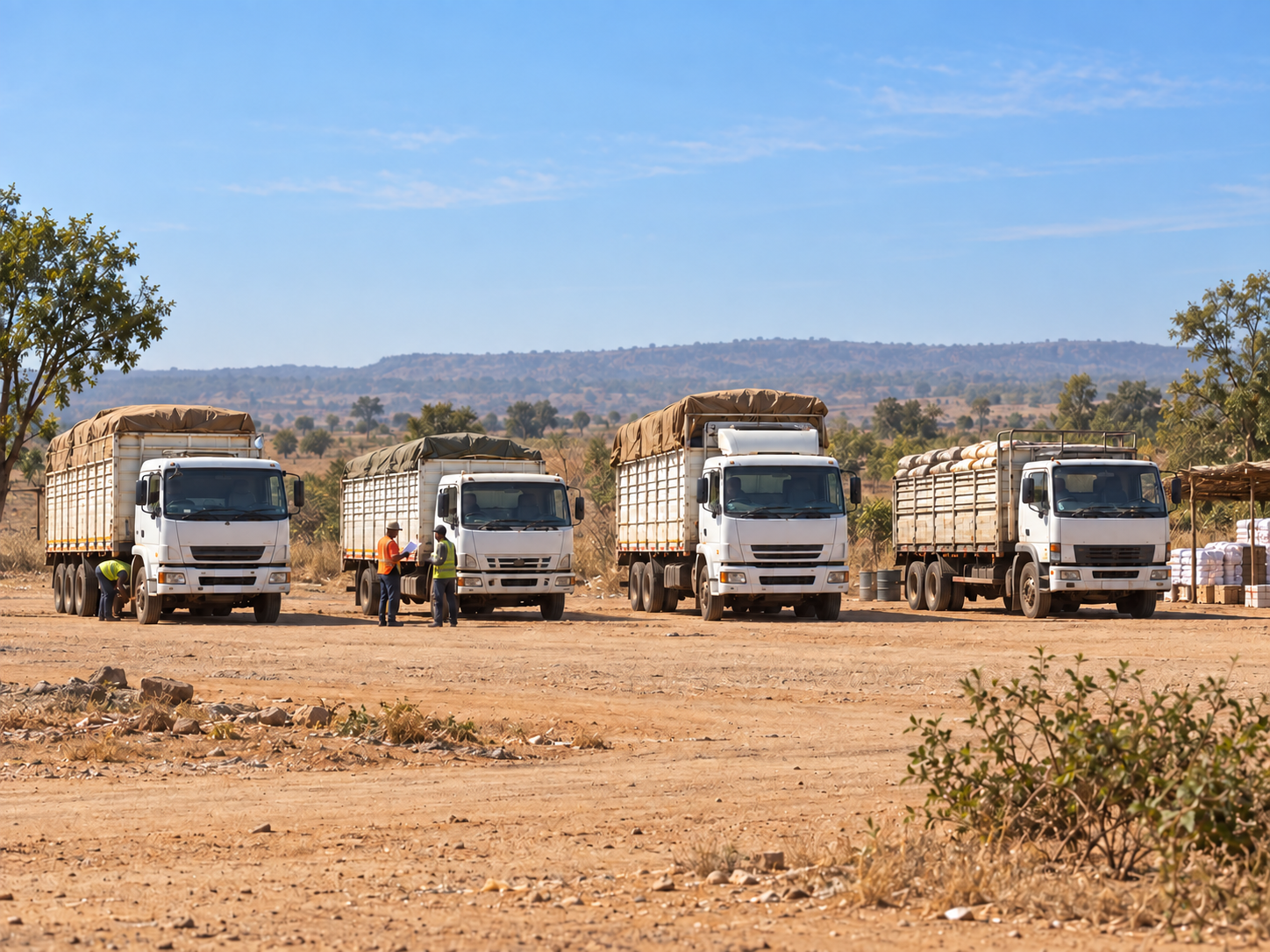
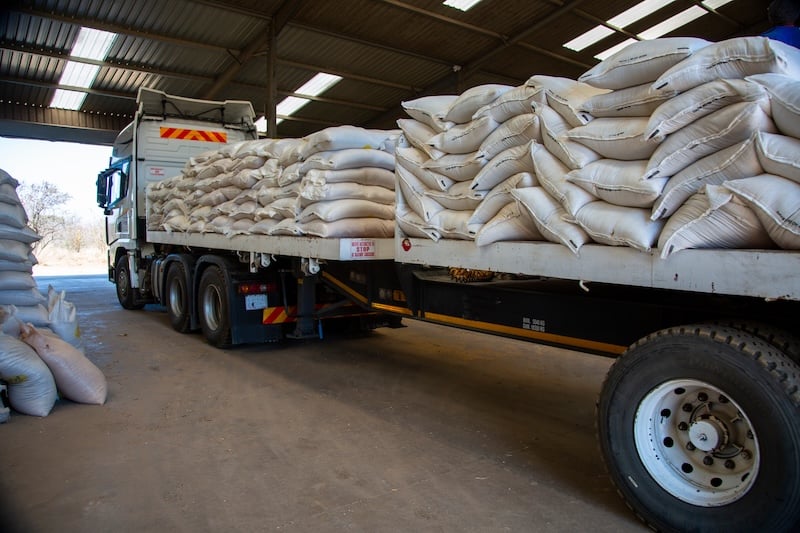
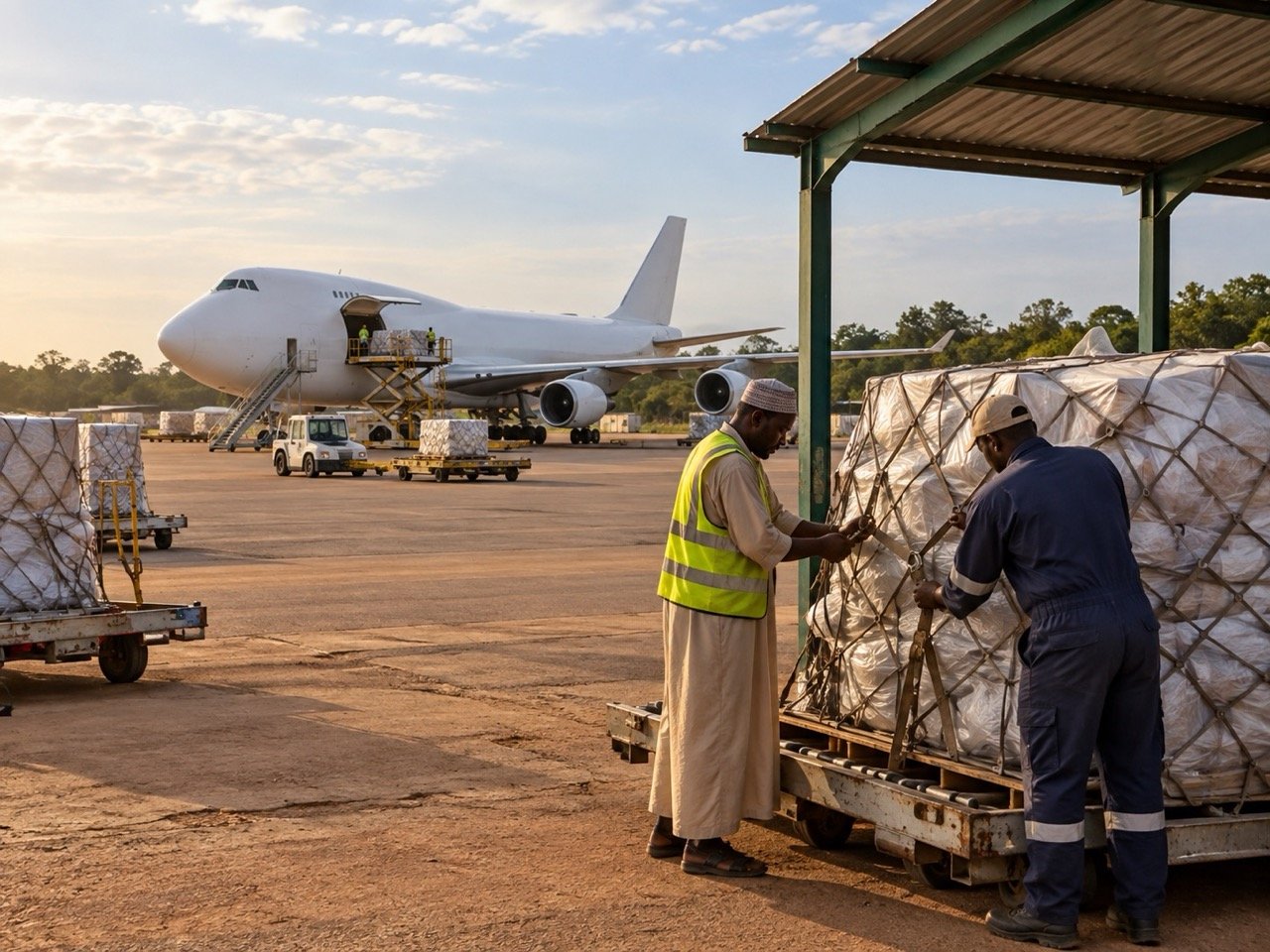
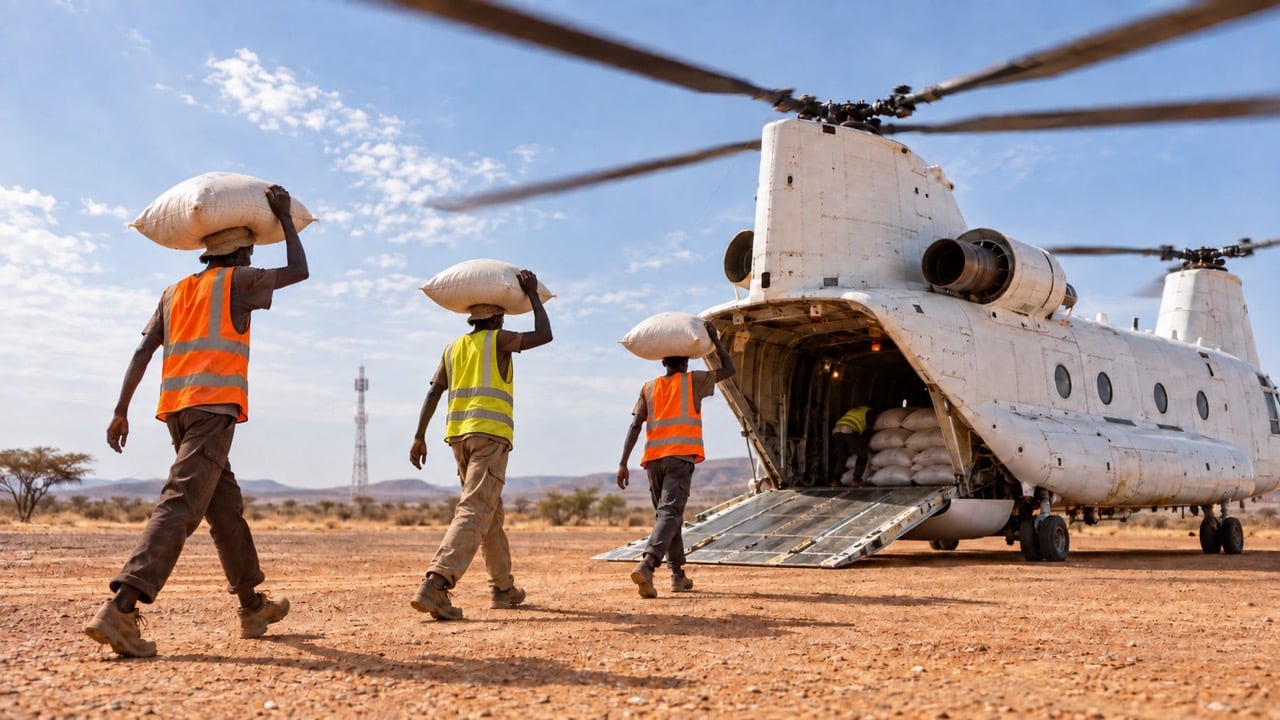
Caliber maintained one control point while the operational prerequisites continued to change. The onward movement toward Zalingei could be adjusted without losing sight of permits, cargo condition, partner responsibilities or the narrowing weather window.
Complex and fragmented supply chains
put missions at risk.
Humanitarian operations involve multiple providers, borders and handovers. Without central coordination, fragmented information can quickly cause delays and increase risk.
Caliber connects every party, shipment and milestone in one controlled and visible operation.
How we differentiate from
the freight forwarders you are used to.
Humanitarian supply chains span organizations, borders and transport modes. Caliber connects providers and internal teams in one way of working, while your organization retains strategic control and Caliber manages coordination, decisions and exceptions.
One accountable partner. Multiple best-fit providers. One controlled operation.
|
Freight forwarder |
Caliber.global |
|
Executes booked transport |
Manages the complete multi-provider operation |
|
Shows its own shipments |
Connects all providers, shipments and handovers |
|
Optimizes within its network |
Compares best-fit options for the requirement |
|
Resolves issues within its assigned leg |
Owns exceptions across the supply chain |
|
Reports on completed movements |
Build intelligence for future responses |
How Caliber works.
One operating model before, during and after the response.
1. Research and prepare
We investigate what is operationally possible. This includes available routes and airports, customs requirements, local restrictions, required documentation, commodity-specific conditions and alternative scenarios.
Getting these details right at the beginning reduces the risk of failures later in the journey.
2. Source and mobilize
We identify and compare suitable global and local partners based on geography, cargo type, urgency, compliance, reliability and cost. Our network helps customers access appropriate capacity and competitive options without becoming dependent on one provider.
3. Control and visualize
We coordinate every provider, document, milestone and handover. Through Tract, customers can follow where goods are, view current status information and access supporting documentation and images.
Trackers, temperature loggers and other monitoring technology can be integrated where the cargo or operating conditions require additional control.
4. Learn and improve
We use cost, performance, route and exception data to improve sourcing decisions, preparedness and future humanitarian responses.
The capabilities behind a more reliable response.
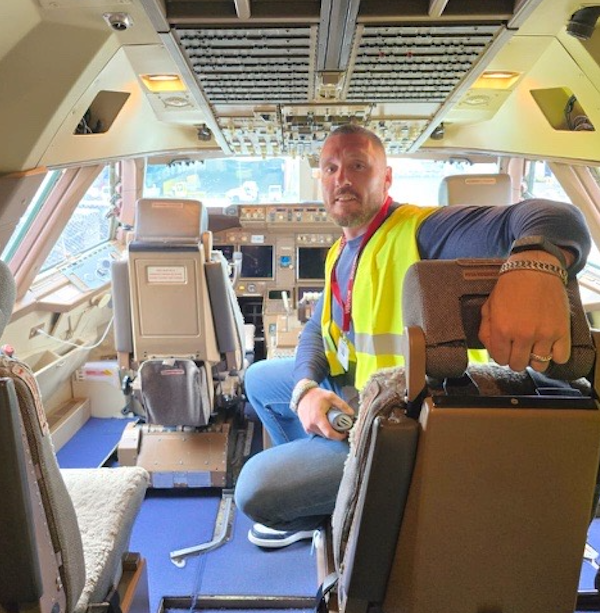
Meet Mike, our Aid & Relieve specialist.
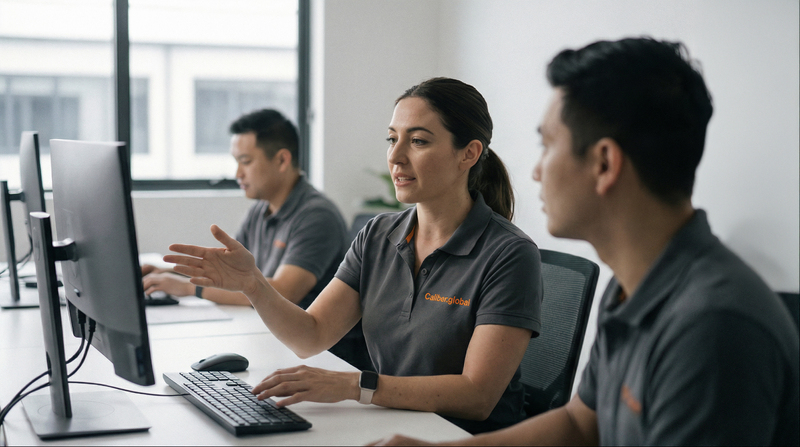
Humanitarian logistics requires experience, clear decisions and an understanding of what is at stake. Mike and the Caliber team turn complex requirements into one coordinated operation, even when circumstances change.
Supporting the communities around us.
Our responsibility goes beyond logistics. Through local initiatives, partnerships and the involvement of our people, we aim to make a positive contribution to the communities in which we operate.
When the mission changes, your supply chain must be ready.
Talk to our Aid & Relief team about a current logistics challenge, an upcoming program or the resilience of your existing network.