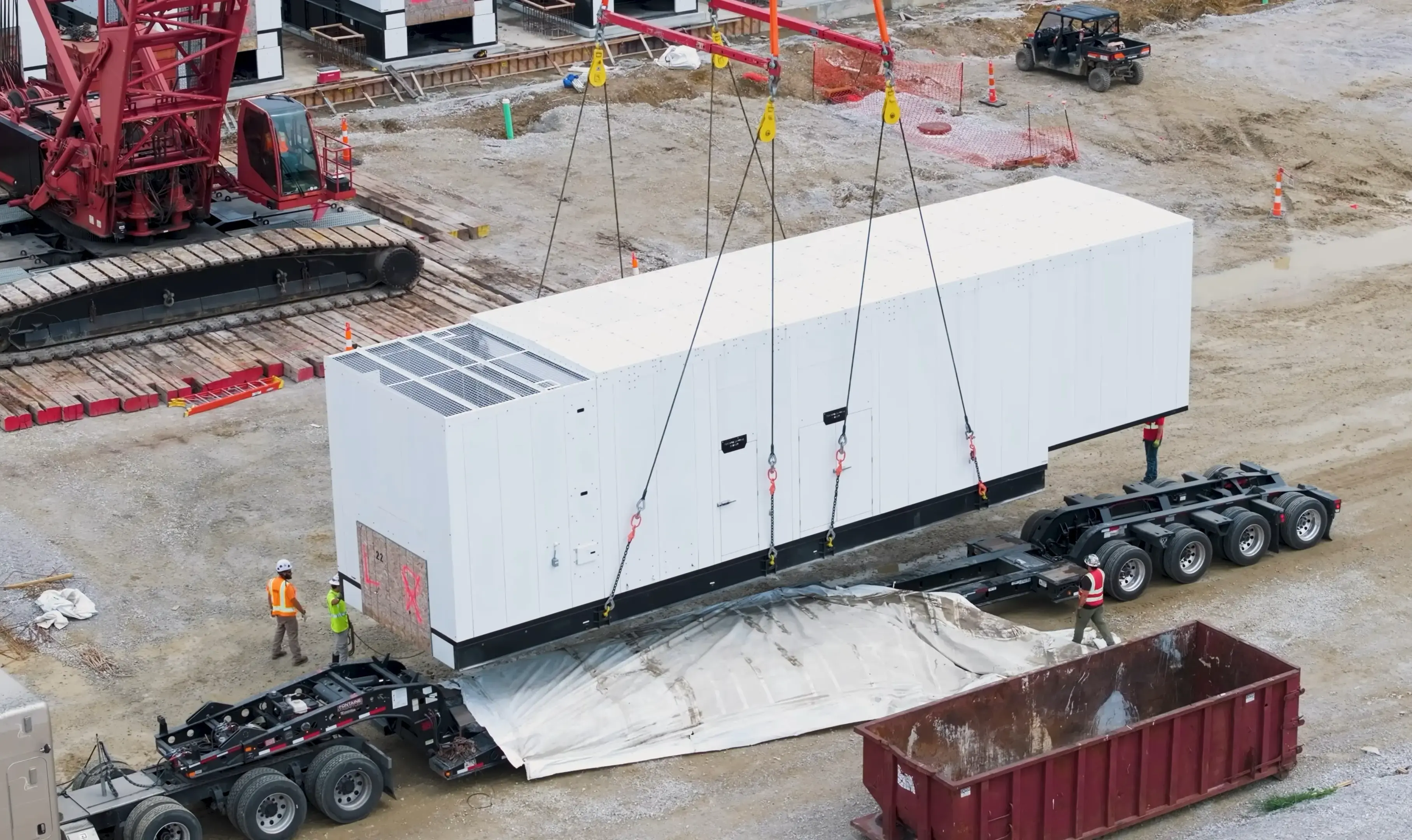
The installation team is ready. The work is scheduled. The required components have arrived in the destination country. Yet installation cannot begin: the shipment has not been released by customs.
For an international construction project, arrival is only one milestone. What matters is when materials are available for installation.
That is why customs clearance deserves a place in project planning from the outset. The right expertise helps prevent avoidable delays, control costs and protect the completion date. Its greatest value often comes before a purchase order is placed.
What is customs clearance in construction?
Customs clearance is the process of declaring goods to customs and meeting the applicable requirements for their release. In international construction projects, this may involve imported equipment, fit-out materials or technical components.
The formalities depend on factors including the goods, their origin, the destination and the customs procedure used. For imports into the European Union, tariff classification, origin and customs value are central to determining customs duties.
For project teams, the implication is straightforward: customs clearance needs to be planned around the date materials are required on site.
Why customs delays affect more than a shipment
Consider an installation component needed before a room can be tested and handed over. The shipment arrives on schedule, but its product description provides insufficient information to prepare the customs declaration properly. Additional technical details must be requested from the supplier.
This illustrative scenario shows how an information gap can affect a construction schedule. An installation team may need to be rescheduled. Testing moves back. Another contractor cannot complete the next stage of work.
The component’s value reveals little about the potential impact. A relatively inexpensive item can determine whether a major project milestone is achieved.
Assessing customs risk therefore requires a view beyond shipment value and freight costs. The essential question is: which activities cannot proceed if these materials become available later than planned?
Customs expertise starts with procurement
Much of the information needed for customs clearance originates during supplier selection, product specification and contracting. These are valuable opportunities to resolve uncertainty before it reaches the border.
1. Accurate tariff classification requires product knowledge
Descriptions such as ‘construction materials’ or ‘machine parts’ often provide insufficient detail to determine the correct commodity code. A specialist needs to understand what a product is, what it is made of and how it will be used.
Collect technical specifications and clear item descriptions early. Resolve classification questions before the shipment departs. International projects also require an understanding of the destination country’s further subdivisions of commodity codes.
2. Origin and customs value need supporting information
The country of dispatch is not automatically the country of origin. Customs value does not always equal the invoice amount alone. Under EU rules, certain costs may need to be added or deducted.
Comparing purchase prices without considering relevant import costs and documentation requirements gives an incomplete picture. Bring customs expertise into the assessment of both total landed cost and the practical feasibility of a supply route.
3. Delivery terms must work in practice
‘The supplier handles transport’ does not establish who will manage import clearance.
Under DAP Incoterms® 2020, the buyer is responsible for import clearance. Under DDP, that responsibility sits with the seller. Confirm in advance that the agreed party can fulfil its obligations in the destination country.
Also establish who supplies documents, who communicates with the customs representative and who follows up on missing information. Contractual responsibilities need clear operational ownership.
Make customs readiness visible in the construction schedule
A transport dashboard shows where goods are. Reliable construction logistics also requires visibility into anything that could prevent their release.
Introduce a review before dispatch. For each relevant shipment, ask:
- Are the commercial invoice, packing list and product details complete and consistent?
- Have tariff classification, origin and customs valuation been reviewed?
- Have the importer, required registrations and customs representation been arranged?
- Have any permits and additional requirements for the goods and destination been checked?
- Does every unresolved issue have an owner and a deadline?
An EORI number is an important identification requirement for customs operations in the EU. Other destinations have their own registration requirements and conditions.
Connect unresolved issues to the project schedule. Missing documentation for a component on the critical path requires a different priority from an administrative query about material needed much later.
This makes customs readiness a project milestone that teams can actively manage.
Measure availability for installation
Tracking arrival dates alone provides only part of the picture. Distinguish between arrival, customs release, delivery to site and availability for installation.
Useful indicators include the proportion of shipments with complete documentation before departure, the number of unresolved customs queries affecting critical materials, and the difference between planned and actual material availability.
Preparation cannot eliminate customs inspections. It can reduce the risk that missing information or unclear responsibilities create unnecessary additional delays.
How Caliber Global connects customs clearance with project execution
Caliber.global combines customs coordination for complex construction projects with an international network of independent customs brokers. Tract® provides centralized visibility into documentation, status updates and communication.
Connecting people, processes and technology helps teams manage customs clearance as part of the wider material flow and project execution.
It also gives project teams a more useful question to ask: what still needs to happen for this material to be available on time?
Reliable project delivery depends on managing the activities that lead up to completion. Customs clearance is one of those dependencies. Applying the right customs expertise early gives teams greater control over international construction logistics and helps protect the project schedule.