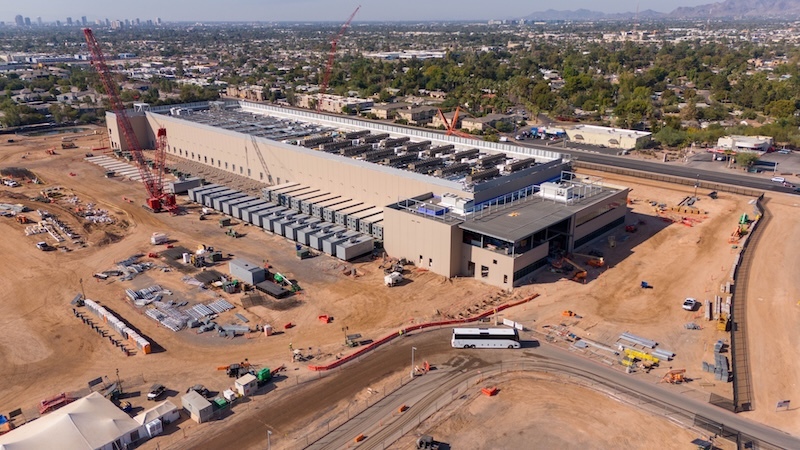
Construction projects at scale depend on hundreds of suppliers, carriers, and logistics partners working in sync. When that coordination is governed by informal arrangements or fragmented contracts, costs become unpredictable and accountability gaps widen with every new project phase.
A managed supply chain agreement addresses this by formalizing the rules, pricing structures, and governance mechanisms that keep your supply chain operating under a single coordinated framework. For procurement and supply chain leaders managing large construction programs, understanding these agreements is a prerequisite for protecting margins and maintaining delivery schedules.
This article explains what a managed supply chain agreement is, which clauses matter most, how governance and pricing structures support cost predictability, and what scalability provisions you should look for as project volumes grow.
Key Takeaways: Managed Supply Chain Agreements
- A managed supply chain agreement is a formal contract that centralizes logistics governance, pricing, and accountability under one framework.
- Clear scope definitions, service-level agreements, and performance metrics reduce the risk of disputes and cascading project delays.
- Tiered pricing structures and volume-band clauses give you cost predictability even as project scope changes.
- Caliber.global uses managed supply chain agreements to orchestrate construction logistics across multiple regions and stakeholders.
- Scalability provisions, including capacity commitments and change-control processes, allow your agreement to grow with your project portfolio.
What Is a Managed Supply Chain Agreement?
A managed supply chain agreement is a contract between a project owner (or general contractor) and a supply chain management partner that defines how materials, equipment, and logistics services will be planned, coordinated, and delivered across one or more construction projects.
Unlike a standard supplier contract that covers a single transaction or material category, a managed agreement spans the full logistics lifecycle. It typically includes scope of services, pricing mechanisms, performance standards, governance structures, and escalation procedures.
The goal is to replace fragmented, project-by-project procurement with a single framework that provides visibility, cost control, and clear lines of responsibility across your entire supply chain.
Why Managed Supply Chain Agreements Matter in Construction
Construction supply chains operate under conditions that make traditional contracting models insufficient. Fixed deadlines, long lead times, global sourcing, and limited on-site storage create dependencies that require proactive coordination rather than reactive problem-solving.
According to KPMG's Global Construction Survey 2025/2026, 43% of construction leaders report increased supply chain risks and pressures. At the same time, 75% of respondents indicate greater risk aversion than 12 months prior. These numbers reflect an industry searching for contractual structures that deliver both flexibility and predictability.
A managed supply chain agreement provides that structure. It shifts the relationship between owner and logistics partner from transactional to strategic, aligning incentives around shared performance targets instead of individual purchase orders.
Which Clauses Matter Most in a Managed Supply Chain Agreement?
Not every clause carries equal weight. The provisions below are the ones that separate a functional managed agreement from a document that collects dust in a shared drive.
Scope and Service Definitions
Your agreement should define exactly which services fall under the managed framework: transportation management, warehousing, customs clearance, purchase order management, site delivery coordination, or all of the above. Vague scope language is one of the most common sources of supplier disputes.
Each service category needs its own set of deliverables, responsibilities, and exclusions. This prevents ambiguity when project conditions change or new service requirements emerge.
Service-Level Agreements and Performance Metrics
Service-level agreements (SLAs) translate expectations into measurable targets. In construction logistics, typical SLA metrics include On Time In Full (OTIF) delivery rates, order accuracy, lead time compliance, and issue resolution response times.
The agreement should specify how performance is measured, how frequently it is reviewed, and what remedies apply when targets are missed. Without this structure, SLAs become aspirational statements rather than enforceable commitments.
Early Warning and Escalation Procedures
Delays in construction logistics rarely appear without signals. A well-structured agreement requires both parties to notify each other of potential disruptions before they affect the critical path.
Define clear escalation tiers: operational issues resolved within a set timeframe, unresolved items elevated to project leadership, and contractual disputes addressed through a formal process. This prevents small problems from cascading into schedule-defining setbacks.
How Pricing Structures Support Cost Predictability
Cost predictability is one of the primary reasons construction organizations pursue managed supply chain agreements. The right pricing structure absorbs market volatility without exposing either party to unreasonable risk.
Fixed, Cost-Plus, and Volume-Based Models
Three pricing models are commonly used in managed agreements. Fixed pricing locks in rates for defined services over a set period. Cost-plus pricing covers the partner's actual costs with an agreed margin. Volume-based pricing ties rates to order quantities, with lower unit costs at higher volumes.
Most construction programs benefit from a hybrid approach. Fixed rates provide a baseline for recurring services, while volume bands accommodate fluctuations in purchase order volumes as projects ramp up or wind down.
Price Adjustment and Index-Linked Clauses
Construction projects can span multiple years. A managed agreement needs a mechanism for adjusting prices in response to market changes without requiring full renegotiation.
Index-linked clauses tie adjustments to objective benchmarks such as freight rate indices or material cost indices. Include caps and floors on adjustments to keep cost exposure within predictable boundaries. This protects your budget from sudden spikes while giving your logistics partner room to operate sustainably.
Governance Mechanisms That Create Accountability
Pricing and SLAs only work when a governance structure ensures they are enforced. Governance is the operational backbone of a managed supply chain agreement.
Joint Steering Committees and Review Cadences
Establish a joint steering committee with representatives from both the project owner and the supply chain partner. This group meets at regular intervals to review performance data, address emerging risks, and make decisions about scope or pricing adjustments.
Quarterly reviews are standard. For large programs with multiple active construction sites, monthly operational reviews with quarterly strategic sessions provide better alignment between day-to-day execution and long-term objectives.
Reporting, Visibility, and Data Sharing
Governance depends on access to accurate, timely data. Your agreement should specify what data each party shares, in what format, and at what frequency. Caliber.global addresses this through its Tract platform, which connects planning, execution, and performance data into a shared operational picture across all stakeholders.
Real-time visibility into supply chain status, including purchase orders, shipments, inventories, and site deliveries, allows both parties to identify and resolve issues proactively rather than after they have already affected the construction schedule.
Scalability Provisions for Growing Project Volumes
A managed supply chain agreement should not require renegotiation every time your project portfolio changes. Scalability provisions give the agreement room to grow without creating contractual bottlenecks.
Capacity Commitments and Volume Bands
Define volume bands that correspond to different levels of logistics activity. As your construction program scales from regional to multi-regional or from a single asset class to several, the agreement automatically adjusts pricing and resource commitments to match.
Capacity commitments ensure your logistics partner reserves sufficient resources for your account. This is especially important in construction, where peak demand periods (close to handover dates, for example) can strain carrier networks and warehouse capacity.
Change-Control Processes
Scope changes are inevitable in construction. Your managed agreement should include a defined change-control process that specifies how new services, additional regions, or modified delivery requirements are requested, evaluated, priced, and approved.
A clear change-control mechanism prevents scope creep while preserving the flexibility to respond to new project requirements without starting a negotiation from zero.
How Managed Agreements Differ from ERP-Based Supply Chain Modules
Enterprise resource planning (ERP) platforms offer supply chain modules designed primarily for manufacturing and distribution environments. These tools handle demand planning, inventory management, and procurement workflows within a single system of record.
Construction supply chains, however, have fundamentally different requirements. You are coordinating project-specific deliveries across global suppliers, managing site-level logistics with limited storage, and aligning material flows with a construction schedule that changes weekly. ERP modules built for repetitive manufacturing processes do not natively support these workflows.
A managed supply chain agreement paired with a project-driven 4PL orchestration model fills this gap. It provides the contractual framework, the operational coordination, and the technology layer that construction projects demand.
FAQs About Managed Supply Chain Agreements
What is a managed supply chain agreement?
A managed supply chain agreement is a formal contract between a project owner and a logistics partner that defines how supply chain services, governance, pricing, and performance standards are managed across one or more projects. It replaces fragmented, transaction-based procurement with a coordinated framework designed for cost predictability and accountability.
How does a managed supply chain agreement reduce project costs?
It reduces costs by consolidating logistics services under a single framework with volume-based pricing, eliminating duplicate coordination efforts, and enforcing SLAs that hold all parties accountable. Caliber.global structures these agreements to align pricing with actual project volumes, so you avoid overpaying during slower phases and maintain capacity during peak periods.
What governance mechanisms should a managed supply chain agreement include?
Effective governance includes a joint steering committee, regular performance reviews, defined escalation procedures, and shared reporting through a centralized platform. These mechanisms ensure that SLAs are enforced, risks are addressed proactively, and both parties remain aligned on project objectives.
Can a managed supply chain agreement scale across multiple construction projects?
Yes. A well-structured agreement includes volume bands, capacity commitments, and change-control processes that allow it to expand as your project portfolio grows. Caliber.global designs managed agreements with scalability built in, using its Tract platform to maintain visibility and control across multiple concurrent projects and regions.
How is a managed supply chain agreement different from a standard supplier contract?
A standard supplier contract covers a single transaction or material category. A managed supply chain agreement spans the full logistics lifecycle, integrating multiple service categories, governance structures, and performance standards under one framework. Caliber.global uses this approach to provide construction teams with the coordination, visibility, and cost control that individual supplier contracts cannot deliver on their own.